
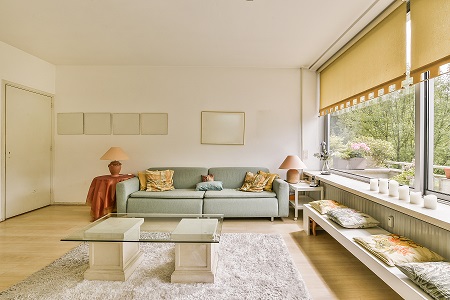

Improving your home’s energy efficiency doesn’t always require major renovations or expensive upgrades. In fact, some of the biggest changes come from the smaller decisions. Small changes, such as choosing energy-efficient window coverings, can make a noticeable difference to comfort and day-to-day energy use.
With energy costs continuing to rise and sustainability becoming more important for Australian households, many homeowners are looking for practical ways to improve how their homes perform. The focus is no longer just on saving money, but on creating a space that feels comfortable and works efficiently year-round.
Here are some simple ways to get started. Nothing complicated.
Start with the Areas That Lose the Most Energy
Many people focus on appliances when thinking about energy use, but a large portion of heat gain and loss actually comes from the building itself.
Windows, doors, and ceilings are often the biggest contributors. If these areas are not well managed, your heating and cooling systems end up working harder than they need to.
Improving how your home handles temperature in these areas can have an immediate impact. And in some cases, you’ll feel it straight away.
Switch to More Efficient Lighting
Lighting is one of the easiest upgrades to make.
Replacing older bulbs with LED options can reduce energy use while still providing the same level of brightness. LEDs also tend to last longer, which means fewer replacements over time.
It’s a simple change, but one that adds up across the entire home.
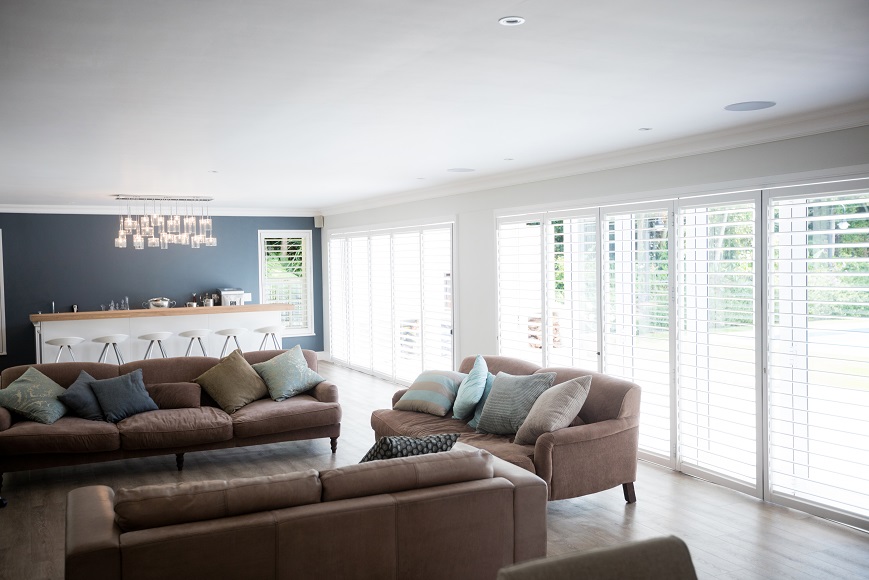
Improve Insulation Where You Can
Insulation plays a key role in keeping your home comfortable. If your home loses heat quickly in winter or heats up too fast in summer, insulation may be part of the issue.
Upgrading ceiling or wall insulation can help stabilise indoor temperatures and reduce the need for constant heating or cooling.
Even smaller fixes, like sealing gaps around doors and windows, can make a noticeable difference.
Rethink Your Window Coverings
Window coverings are often overlooked when it comes to energy efficiency, but they can play a significant role in regulating indoor temperature.
During summer, direct sunlight through uncovered windows can quickly heat up a room. In cooler months, windows can allow warmth to escape just as easily.
The right blinds or shades can help manage both.
Options like honeycomb blinds are designed to provide insulation, while other styles can reduce glare and limit heat from direct sunlight. Choosing window coverings that suit your climate and home layout can help reduce reliance on air conditioning and heating.
Make Use of Smart Technology
Smart home features are becoming more common and can help improve efficiency without much effort.
Smart thermostats, for example, allow you to control temperature settings based on your daily routine. Some systems can adjust automatically depending on the time of day or whether you are home.
Even small adjustments, like setting timers for heating and cooling, can help reduce unnecessary energy use.
Look at Everyday Habits
Energy efficiency is not only about products or upgrades. Daily habits also play a role.
Simple changes such as:
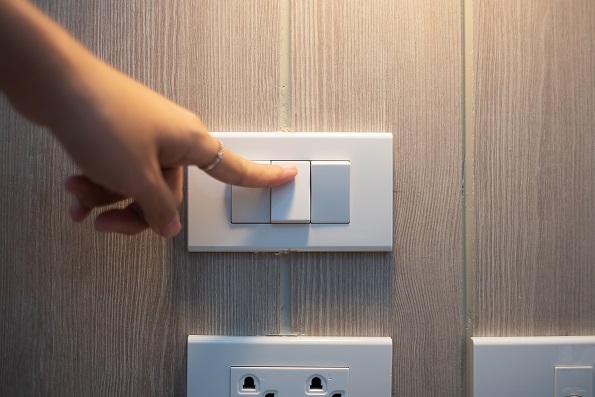
- Turning off lights when not in use
- Using appliances during off-peak times
- Keeping doors and windows closed when heating or cooling is on
can all contribute to better energy use over time.
Focus on Progress, Not Perfection
Improving energy efficiency does not need to happen all at once. Making gradual changes can still lead to meaningful improvements.
Whether it is updating lighting, improving insulation, or choosing better window coverings, each step contributes to a more comfortable and efficient home.
Final Thoughts
Creating a more energy-efficient home in 2026 is about making smarter choices that suit your lifestyle. Small upgrades and thoughtful adjustments can help reduce energy use while improving day-to-day comfort.
If you’re looking for practical ways to manage heat, light, and privacy, solutions like modern window coverings can be a good place to start. Accent Blinds offer a range of options designed to suit different homes and conditions, making it easier to find a solution that supports both comfort and efficiency.