
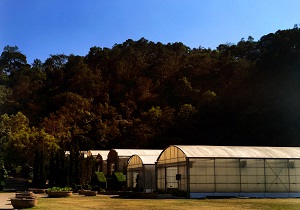

When investing in Commercial Sheds, you’re not just buying a structure — you’re securing the future of your business operations. Whether it’s for warehousing, manufacturing, agriculture, workshops, or logistics, the quality of your shed directly impacts efficiency, safety, compliance, and long-term costs. As someone who has worked closely with Australian shed builders and commercial clients over the years, I’ve seen firsthand how cutting corners early can lead to major expenses later. This guide breaks down exactly what separates high-quality commercial shed builds from the rest — so you can make a confident, informed decision.
Why Quality Matters in Commercial Sheds
A commercial shed isn’t a backyard DIY project. It’s a structural asset. In Australia, sheds must withstand:
• High wind zones
• Coastal corrosion
• Intense UV exposure
• Heavy rain events
• Industrial usage loads
A poorly engineered structure may look fine on day one but fail under pressure within a few years. High-quality builds, on the other hand, are designed for decades of performance.
Structural Engineering: The Foundation of a High-Quality Build
Engineered for Australian Conditions
Top-tier Commercial Sheds are:
• Designed to Australian Standards (such as AS/NZS codes)
• Site-specific engineered (not generic templates)
• Wind-rated according to your exact location
• Soil-class tested before slab design
Low-quality sheds often rely on “standard plans” that ignore local wind regions or soil classifications. This can compromise structural integrity and insurance eligibility.
Steel Quality and Thickness
Not all steel is equal. Premium sheds use:
• High-tensile structural steel
• Hot-dip galvanised or corrosion-resistant coatings
• Correct gauge thickness for purlins and columns
Cheaper options often use thinner steel to reduce costs — which reduces load capacity and longevity.
Design Flexibility and Functionality
A high-quality commercial shed should work for your business — not force your business to adapt to it.
Custom Design vs Off-the-Shelf
Quality providers offer:
• Custom span widths
• Variable wall heights
• Mezzanine options
• Crane provisions
• Roller doors, PA doors, windows and ventilation planning
Lower-end suppliers often offer limited sizing that may require costly retrofits later.
Real-Life Scenario
A transport operator in WA initially chose a budget shed without considering internal clearance. When new trucks were added to the fleet, the shed height became insufficient — requiring structural modifications that cost more than upgrading initially would have. Planning ahead saves money.
Materials and Cladding: What to Compare
| Feature | High-Quality Commercial Sheds | Budget Alternatives |
| Steel Grade | High-tensile, certified | Lower tensile, uncertified |
| Coating | Galvanised or Colorbond® | Basic painted steel |
| Fasteners | Heavy-duty structural bolts | Standard fixings |
| Roofing | Insulated options available | Basic single-sheet roofing |
| Warranty | 15–25 years structural | Limited warranty |
| When reviewing suppliers, always request material specifications — not just brochure images. |
Compliance and Certification
Commercial sheds must meet council and building approval requirements. High-quality builders provide:
• Engineering certificates
• Site-specific drawings
• Energy efficiency compliance
• Assistance with permits
Without proper documentation, you risk project delays or legal complications.
Insulation, Ventilation and Energy Efficiency
In Australia’s climate, internal temperature management is crucial.
High-quality builds consider:
• Roof insulation
• Wall insulation
• Whirlybirds or mechanical ventilation
• Skylights for natural lighting
• Solar integration options
A shed that becomes unbearably hot in summer affects worker productivity and stored goods. Investing in insulation early significantly reduces long-term energy costs.
Construction Quality and Installation
Licensed and Experienced Installers
The build team matters just as much as the materials. Look for:
• Licensed builders
• Proven commercial experience
• Clear project timelines
• Safety compliance (Safe Work Australia standards)
Poor installation can void warranties and compromise structural integrity — even with premium materials.
Checklist Before Signing a Contract
✔ Is the shed engineered for your exact site?
✔ Are wind ratings documented?
✔ Is the steel thickness specified?
✔ What warranties apply to structure and cladding?
✔ Who handles council approvals?
✔ Is installation included or subcontracted?
Long-Term Cost vs Upfront Price
One of the biggest misconceptions is that all Commercial Sheds are comparable based on size alone. They’re not.
Pros of High-Quality Builds
• Longer lifespan
• Lower maintenance costs
• Higher resale property value
• Better insurance compliance
• Greater structural safety
Cons
• Higher upfront investment
• Slightly longer planning phase
However, the total cost of ownership almost always favours quality builds.
Choosing the Right Supplier in Australia
Reputation matters. Look for:
• Established Australian companies
• Transparent engineering documentation
• Real project case studies
• Local knowledge of wind zones and soil classes
If you’re researching Commercial Sheds in WA, reviewing experienced providers such as Western Sheds can help you understand what a professionally engineered structure includes. Their commercial and industrial range can be viewed here: https://www.westernsheds.com.au/industrial-commercial-sheds-perth/
Key Features That Separate Premium Commercial Sheds
Here’s a summary comparison:
Structural Strength
Premium: Site-specific engineering + correct steel grade
Budget: Generic plans + thinner materials
Durability
Premium: Corrosion-resistant coatings + long warranties
Budget: Minimal protection + short warranty
Customisation
Premium: Fully customisable for business growth
Budget: Limited options
Compliance
Premium: Full certification support
Budget: DIY paperwork or limited guidance
Questions to Ask Before Buying Commercial Sheds
- What wind region rating is this shed designed for?
- What is the steel gauge for columns and rafters?
- Is the slab design included in engineering?
- Are warranties transferable?
- Can the structure be expanded later?
Asking detailed questions quickly separates experienced suppliers from basic resellers.
Frequently Asked Questions
With proper maintenance, a well-engineered commercial shed in Australia can last 25–40+ years depending on environment and usage.
Initially, yes. But they reduce modification costs later and better suit operational needs.
In most Australian states, yes. Requirements vary depending on size, location, and usage classification.
In most cases, absolutely. Insulation improves comfort, protects equipment, and reduces long-term energy costs.
If engineered correctly from the start, many premium sheds can be extended in length or modified structurally.
Final Thoughts: Invest in Strength, Not Just Space
When comparing Commercial Sheds, remember you’re not just comparing square metres — you’re comparing engineering integrity, compliance support, material quality, and long-term performance. The cheapest quote is rarely the best value. A high-quality commercial shed is an investment in operational efficiency, safety, and peace of mind. Take the time to assess engineering specifications, material standards, and builder reputation before signing anything. If you’re planning a new commercial project, focus on durability, compliance, and scalability from day one — your future business growth depends on it.